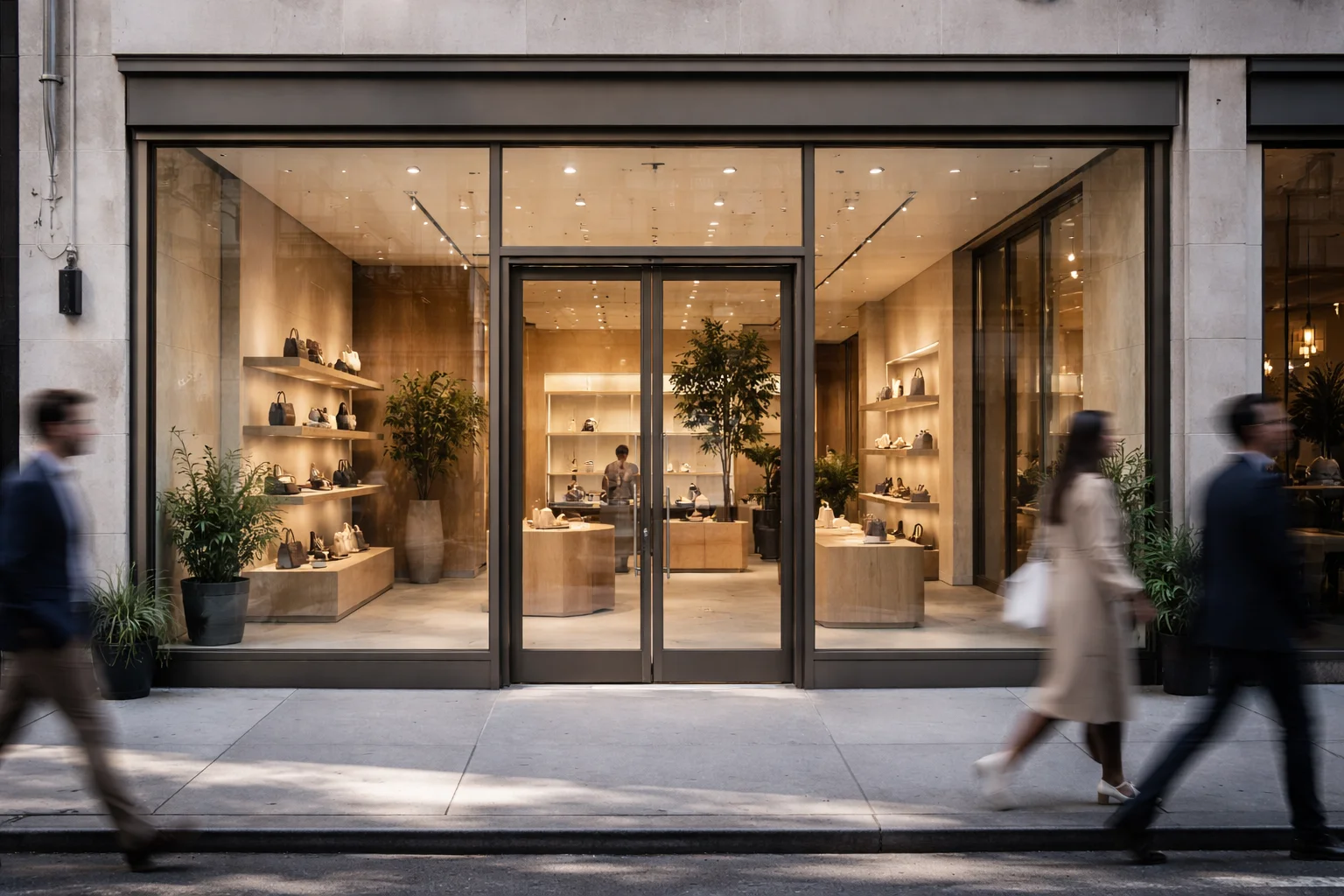
Introduction to Insulated Glass Storefronts
Energy efficiency has become a paramount concern for building owners, architects, and developers. One of the most effective ways to enhance energy efficiency in commercial buildings is through the use of insulated glass storefronts. These advanced glazing systems not only provide aesthetic appeal but also significantly reduce energy consumption, leading to cost savings and a smaller carbon footprint.
Definition and Components
Insulated glass storefronts are made up of multiple panes of glass separated by a space filled with an insulating gas, such as argon or krypton. This design minimizes heat transfer, keeping interiors warm in winter and cool in summer. The components typically include a frame system, sealed units, and a variety of glass coatings.
Benefits of Insulated Glass Storefronts
The benefits are multifaceted. Firstly, these storefronts improve thermal performance, which can lead to lower energy bills. Secondly, they enhance comfort by reducing drafts and maintaining consistent indoor temperatures. Additionally, they offer sound insulation, privacy, and UV protection.
Glass Types and Coatings
Selecting the right type of glass is crucial for maximizing energy efficiency. Low-emissivity (Low-E) glass is often recommended, as it reflects infrared light while allowing natural light to enter. Combining Low-E glass with solar control features can further improve energy efficiency.
Frame Selection
The choice of frame material also impacts overall performance. Aluminum frames, while popular, can conduct heat. Opting for thermally broken aluminum or fiberglass frames can mitigate this issue, offering better insulation properties.
Installation Best Practices
Proper installation is key to ensuring the energy efficiency of insulated glass storefronts. Collaborating with experienced professionals can help avoid common pitfalls, such as poor sealing and inadequate insulation. Ensure that the storefront is aligned correctly and that weatherstripping is in place.
Regular Maintenance Tips
To sustain energy efficiency, regular maintenance is essential. Inspect seals periodically for damage, clean the glass with appropriate materials, and address any condensation between panes promptly, as this may indicate seal failure.
Conclusion: The Future of Energy-Efficient Storefronts
Insulated glass storefronts represent a significant advancement in energy-efficient design for commercial buildings. With their myriad benefits, integrating these systems into your construction or renovation project can lead to long-term savings and improved comfort. For custom glass works tailored to your specific needs, consider reaching out to NY Glass, your partner in creating stunning and efficient storefront solutions.
NYC Planning Notes
For New York retail, office, and hospitality spaces, commercial glass storefronts decisions should account for curb appeal, security, energy performance, ADA access, and storefront maintenance. Before fabrication, confirm field measurements, site access, wall or opening conditions, and the finish details that affect both appearance and daily use.
Before Requesting a Quote
Use this article as a checklist for insulated glass storefront for energy efficiency before requesting pricing. The most useful details are approximate dimensions, photos of the space, preferred glass type, hardware color, edge finish, building access, and any timing constraints.
Sharing these details early helps reduce revisions, clarify installation requirements, and keep the final specification aligned with the way the space will be used in a New York home, office, storefront, studio, or hospitality interior.
For replacement work, note existing glass damage, gaps, leaks, scratches, hardware issues, and any building rules that may affect elevator use, working hours, insurance paperwork, or access to the installation area.
When to Work with NY Glass
NY Glass helps turn this guidance into a project-ready plan with custom measurements, fabrication guidance, installation coordination, and practical recommendations for New York spaces.
Frequently Asked Questions
Does a commercial glass storefront project in NYC require professional installation?
Professional installation is recommended when measurements, glass weight, code considerations, waterproofing, anchors, or site conditions affect the result. NY Glass can measure, fabricate, and install commercial glass storefronts for New York projects.
What details help NY Glass quote commercial glass storefronts?
Start with accurate measurements, photos of the opening or wall, preferred glass type, hardware finish, and any access constraints. These details help NY Glass recommend the right specification before fabrication.